






Rugged Truck Face-Off: Ram 1500 vs. Chevy Silverado 1500
When it comes to full-size pickup trucks, performance and reliability are everything. The Ram 1500 vs. Chevy Silverado 1500 are two of the most popular vehicles in the full-size pickup truck segment. Each truck is available in multiple models and vehicle configurations, allowing buyers to choose the best fit for their needs. While the Ram 1500 vs. Chevy Silverado 1500 bring a strong showing in capability and technology, the Ram clearly edges out its rival in key areas, including towing capacity, cabin luxury, powertrain innovation, and long-term dependability. If you’re in the market for a truck that blends muscle with modern refinement, the Ram 1500 is the one to beat. And for those ready to see it in action, Crossroads Chrysler Dodge Jeep Ram of Henderson is the place to schedule your test drive today.
Muscle Where It Matters
Let’s start with the numbers. The Ram 1500 vs. Chevy Silverado 1500 offer impressive specs, with a range of engine options, towing, and payload capacities that set them apart in the segment. Taking a look at the Ram 1500 vs. Chevy Silverado 1500 towing capacity, the Chevy boasts a maximum haul of 13,300 lbs., which is achievable with the available Duramax® 3.0L Turbo-Diesel engine. The Ram 1500, by contrast, offers up to 11,550 lbs. of maximum trailering capacity with its available 3.0L Hurricane engine—a close second, without the diesel requirement. Although Ram 1500 vs. Chevy Silverado 1500 distinguishes a clear winner in raw capacity, keep in mind the Chevy only tows more when equipped with a diesel engine, while the Ram tows nearly as much without special fuel requirements Speaking of available engine specs between the Ram 1500 vs. Chevy Silverado 1500, Chevy offers up to 420 horsepower and 495 lb.-ft. of torque depending on engine choice, while the Ram churns out a robust available 540-horsepower and 521 lb.-ft. of torque. Payload capacity is also a key factor for Ram 1500 vs. Chevy Silverado 1500 reliability, with the Chevy offering up to 2,260 lbs. and the Ram outperforming with up to 2,370 lbs.
First-Class Comfort on Every Drive
The Ram 1500 vs. Chevy Silverado 1500 both aim to pamper drivers, but the Ram’s cabin is a class above, offering what may be the most luxurious interior ever fitted to a pickup. In higher trims, the Ram 1500 approaches the level of a luxury vehicle, featuring upscale touches like leather upholstery and a suede headliner. By contrast, the Chevy Silverado 1500 has leather seating surfaces with exclusive custom perforation and stitching pattern and authentic open-pore wood trim. Crew cab versions are available for both trucks, providing maximum interior space and versatility for passengers.
With a 14.5-in. Uconnect® 5 touchscreen, a 12-in. Driver Information Digital Cluster Display, and a 10.25-in. Passenger Interactive Display, the Ram 1500 delivers a more immersive and intuitive tech experience than the Chevy Silverado 1500’s available 13.4-in. infotainment screen and 12.3-in. gauge cluster. Both the Ram 1500 vs. Chevy Silverado 1500 offer Apple CarPlay® and Android Auto™, but Ram adds a reconfigurable Head-Up Display and a more advanced infotainment layout that’s both functional and stylish.
Safety & Technology: Peace of Mind Standard
When it comes to safety, the Ram 1500 vs. Chevy Silverado 1500 ensure everyone’s safety wherever you go. The Ram leaves nothing to chance, however, boasting over 100 standard and available safety features, such as Electronic Stability Control with Anti-Rollover, Forward Collision Mitigation, Blind Spot Warning, and Hands-Free Active Driving Assist. These numerous features give you confidence whether you’re hauling a trailer or cruising the highway. Additionally, advanced driver aids like Adaptive Cruise Control and Cross Traffic Alert are available on the Ram 1500, further enhancing safety and awareness in various driving situations. The Chevy Silverado 1500 utilizes the Chevy Safety Assist suite as its standard, but lacks the depth and range of driver-assistance features found on the Ram. Intersection Collision Assist and available semi-autonomous driving are advantages Chevy just doesn’t match.
Experience the Clear Winner Today
When comparing the Ram 1500 vs. Chevy Silverado 1500, the choice becomes clear. With proficient towing performance, a more luxurious and tech-savvy interior, advanced safety features, and a proven reputation for reliability, the Ram 1500 doesn’t just lead the pack, it defines it. Ready to take the next step? Visit Crossroads CDJR of Henderson for a test drive to see for yourself why it’s the best full-size truck for drivers who demand more from every mile.

The All-Electric SUV Showdown
In the battle of all-electric SUVs, the Jeep Wagoneer S vs. Tesla Model Y comparison is turning heads—and for good reason. The Jeep Wagoneer S introduces an electrified chapter of legendary Jeep performance, and it’s already making waves by going head-to-head with longtime EV standout, the Tesla Model Y. This Jeep vs. Tesla comparison from Crossroads Chrysler Dodge Jeep Ram of Henderson dives into what truly separates these two vehicles—and why the Jeep Wagoneer S leads the charge when it comes to power, presence, and premium adventure.
Bold Design Meets Electric Power
One glance at the Jeep Wagoneer S and it’s clear: this SUV means business. With a sleek, aerodynamic design inspired by adventure, it still retains the iconic seven-slot grille—now reimagined with a bold LED-illuminated treatment that makes a statement day or night. In comparison, the Tesla Model Y leans into minimalist curves and a subdued silhouette that prioritizes efficiency over personality. When comparing each car, the Jeep Wagoneer S EV stands out with a more rugged, commanding appearance, while the Tesla car offers a softer, more understated look.
When you compare the Jeep Wagoneer S vs. Tesla Model Y in terms of performance, the Jeep Wagoneer S surges ahead. The Tesla Model Y Performance trim offers enhanced speed and power, but the Jeep Wagoneer S generates an incredible 600 horsepower and 617 lb.-ft. of torque—more than enough to rocket from 0 to 60 MPH in just 3.4 seconds. That’s faster than many sports cars, and even quicker than the Tesla Model Y Performance trim. The raw power of the Jeep Wagoneer S is evident in its superior horsepower and acceleration, and its top speed also surpasses that of the Tesla Model Y. Some Tesla models have low horsepower compared to the Jeep Wagoneer S, and in these key performance aspects, Tesla falls short.
All-Electric 4×4 Capability
Jeep brings its off-road DNA into the electric future. The Jeep Wagoneer S is the first global battery electric vehicle from the Jeep brand and comes with standard all-wheel drive, tailored to conquer tough terrain and weather conditions alike. Its high ground clearance is a great asset, providing the ground clearance needed to tackle a challenging rocky trail or rocky terrain with confidence. Tesla’s Model Y features available dual-motor all-wheel drive, but it lacks the rugged engineering and is more suited for road-bound travel and paved roads. The base Tesla Model Y also offers a rear-wheel drive configuration, focusing on efficiency for rear wheels rather than off-road prowess.
Whether you’re climbing elevation or navigating slick back roads, Jeep’s off-road heritage shines. The Jeep Wagoneer S features the Jeep Selec-Terrain® Traction Management System with Auto, Sport, ECO, Snow, and Sand modes for unmatched adaptability, enhancing terrain maneuverability and ensuring the vehicle is ready for any path ahead. Tesla simply can’t compete when the road turns rough. While the Tesla Model Y delivers strong acceleration navigating on ramps, its lower ground clearance limits its capability beyond road-bound travel.
The Jeep Wagoneer S offers a comprehensive suite of off-road and safety features, setting it apart from the competition.
Range & Charging
Range is a key consideration in the Jeep Wagoneer S vs. Tesla Model Y showdown. The Jeep Wagoneer S targets an estimated range of 294 miles on a full charge, slightly below the Tesla Model Y, which offers 327-357 miles of range depending on trim. The long range model of the Tesla Model Y is especially notable for its extended driving distance and all-wheel drive capability. In terms of fuel economy, the Tesla Model Y boasts a higher EPA MPGe rating, making it more efficient than the Jeep Wagoneer S As far as charging speed, the Jeep Wagoneer S pulls ahead, boasting just 23 minutes to get from 20-80%, while the Tesla claims to add 182 miles in 15 minutes—just over 50% of the total range. Additionally, the Tesla Model Y is a lot cheaper than the Jeep Wagoneer S. With the Jeep Wagoneer S, drivers receive access to the Jeep 4xe Charging Network, with thousands of charging locations across the country—and a Level 2 home charging station included with purchase for added convenience.
Interior Luxury & Technology
Inside, the Jeep Wagoneer S defines upscale electric driving. It features a fully digital cockpit with over 45 inches of total screen space, including a 12.3-inch digital cluster, a 12.3-inch center touchscreen, and a 10.25-inch interactive passenger display. This advanced layout supports the latest Uconnect® 5 system, Alexa Built-in, and wireless Apple CarPlay® and Android Auto™. The Jeep Wagoneer S also stands out for its impressive interior space, offering generous room for passengers and cargo compared to other EVs in its class.
Comfort features in the Jeep Wagoneer S include available leather-trimmed seating, ambient lighting designed to reflect the horizon at dusk, a heated steering wheel, and remote engine start for added convenience. Advanced safety and convenience technologies include a head-up display, enhancing driver awareness—features not found in the Tesla Model Y.
The Tesla Model Y, on the other hand, continues with a simplified 15.4-inch central screen and no instrument cluster, which can be a learning curve for many drivers. While clean and futuristic, Tesla’s bare interior design lacks the warmth, comfort, and craftsmanship you’ll find in the Jeep Wagoneer S.
Safety Systems You Can Count On
Both vehicles include a strong suite of safety features, but the Jeep Wagoneer S elevates confidence with over 170 standard safety and security features—surpassing Tesla’s offerings. The Jeep Wagoneer S stands out with safety features such as a 360-degree surround view camera, rear safety technologies including rear side airbags and sensors, and parking sensors for enhanced convenience and protection. Advanced systems like brake assist and Adaptive Cruise Control are also included as standard, making the Jeep Wagoneer S the clear winner in safety.
Tesla’s Model Y includes standard safety systems like Active Emergency Braking, Lane Departure Avoidance, and Forward Collision Warning, but it offers fewer safety features overall. Unlike the Jeep Wagoneer S, the Tesla Model Y lacks standard surround view cameras, parking sensors, and comprehensive rear safety coverage, making Jeep’s safety tech suite the superior choice that families and daily drivers will appreciate.
Make the Powerful Choice Today
When it comes to Jeep Wagoneer S vs. Tesla Model Y, the Jeep Wagoneer S doesn’t just compete—it dominates. With unmatched horsepower, legendary Jeep 4×4 capability, upscale interior technology, and a design that honors its roots while embracing the electric future, the Jeep Wagoneer S is redefining what an electric SUV can be.
Experience the thrill of all-electric power with the confidence of Jeep heritage. Visit Crossroads CDJR of Henderson today to learn more about the Jeep Wagoneer S and see how it stacks up against the Tesla Model Y. Schedule your test drive now and electrify your next adventure.

Find Your Dream Performance EV
When comparing the Dodge Charger Daytona vs. Tesla Model 3, you’re looking at two distinctly different takes on the future of high-performance electric vehicles. One comes from a brand that defines American muscle, and the other from a company that has revolutionized the EV landscape. This article discusses the differences between the Dodge Charger Daytona and the Tesla Model 3.
In this Dodge Charger Daytona vs. Tesla Model 3 Performance showdown from Crossroads Chrysler Dodge Jeep Ram of Henderson, we break down how Dodge’s first electric muscle car is redefining raw power, heritage, and driving excitement—while the Tesla Model 3 offers a more refined, minimalist approach. We’ll be analyzing performance, design, and value to help you make an informed decision. Let’s dive into the details and explore the unique qualities and driving experiences each EV has to offer.
Performance With Attitude
The Dodge Charger Daytona vs. Tesla Model 3 performance comparison starts where every car enthusiast wants to begin—under the (virtual) hood. Both vehicles were tested on acceleration, braking, and handling to provide a comprehensive performance evaluation.
The Dodge Charger Daytona delivers unmistakable muscle with electrified fury. The top-level powertrain boasts a 400V system architecture and uses more powerful motors to overcome its greater weight, resulting in exhilarating acceleration and torque that Dodge fans have come to expect. Energy consumption and management also play a significant role in acceleration and overall efficiency, with the Dodge Charger Daytona’s design focusing on delivering high performance while managing energy demands.
The Tesla Model 3 Performance, on the other hand, brings solid speed and impressive 0–60 times—clocking in as low as 2.8 seconds. The Tesla’s lighter weight and efficient energy use allow it to accelerate and handle with greater agility, significantly differentiating it from the heavier Dodge. However, it lacks the visceral experience that Dodge engineers baked into every inch of the Dodge Charger Daytona. Tesla’s design philosophy is rooted in silence and efficiency, while Dodge leans into drama, power, and muscle legacy. In the Dodge Charger Daytona vs. Tesla Model 3 Performance debate, Dodge offers more than speed—it offers soul.
Design That Commands Respect
In terms of styling, the Dodge Charger Daytona doesn’t whisper—it roars. It keeps the aggressive stance and bold lines of its gas-powered predecessors while reimagining them for the EV era. A nod to its racing history, the Dodge Charger Daytona’s R-Wing front aerodynamic pass-through significantly reduces lift and drag while preserving its iconic shape. Every angle is designed to intimidate, with heritage-inspired lighting and muscular proportions that scream performance. The Dodge Charger Daytona features two-door and four-door configurations, emphasizing its classic muscle car appeal, and even expanding into practicality and accessibility for families.
The Tesla Model 3, by contrast, sports a sleeker, more conservative look. With its minimalistic curves and smooth surfaces, the Tesla Model 3 is built for aerodynamic efficiency—but lacks the aggressive personality that muscle car fans crave. Its interior features comfortable synthetic seats, providing a modern and supportive ride, while the Dodge Charger Daytona often comes with cloth or sport seats that focus on performance aesthetics.
When choosing between the Dodge Charger Daytona vs. Tesla Model 3, design enthusiasts looking for street presence and attitude will lean heavily toward the Dodge Charger Daytona, but those prioritizing practicality and everyday usability may prefer the Tesla Model 3.
Interior & Tech: Driver-Focused vs. Minimalist
Step inside the Dodge Charger Daytona, and you’re greeted with a performance cockpit that’s equal parts futuristic and familiar. A driver-centric 12.3-inch center display and available 16-inch instrument cluster immerse you in the experience, while available performance pages let you monitor G-force, track times, and more. Ambient lighting, sculpted seating, and classic Dodge details complete the high-octane vibe.
In the Tesla Model 3, you’ll find a minimalist interior dominated by a single 15.4-inch touchscreen. It’s clean and modern, with most functions controlled digitally. While the interface is intuitive, it doesn’t offer the tactile engagement or racing-inspired atmosphere you’ll find in the Dodge Charger Daytona. For enthusiasts who want to feel like they’re in the cockpit of something powerful, the Dodge wins this round.
Driving Dynamics & Engagement
EVs are known for straight-line speed, but Dodge Charger Daytona vs. Tesla Model 3 comparisons must also factor in driving feel. Dodge has engineered the Dodge Charger Daytona with performance driving in mind. With multiple drive modes like Drift and Donut Mode—yes, Donut Mode—it’s built to entertain. The PowerShot boost feature gives you extra torque on demand for jaw-dropping bursts of acceleration.
The Tesla Model 3 handles corners with poise thanks to its low center of gravity and well-balanced chassis. But when it comes to driving excitement and engagement, the Tesla Model 3 leans toward composure rather than thrill. Dodge delivers the drama, the feedback, and the excitement—everything performance drivers crave.
Innovation Meets Heritage
What makes the Dodge Charger Daytona vs. Tesla Model 3 comparison so compelling is how each brand defines innovation. Both manufacturers are adapting to changes in the automotive industry and responding to shifting market dynamics, moving the industry forward toward electrification. Tesla pioneered the mass-market EV with an emphasis on sustainability and cutting-edge automation, pushing the boundaries of performance and design. Meanwhile, Dodge’s attempt to electrify the Dodge Charger Daytona is a deliberate effort to preserve its muscle car legacy while embracing modern innovation, showing how essential innovation is for staying competitive. This comparison is highly relevant in today’s market, as it highlights the advantages each vehicle brings to the table and the lessons learned from their different approaches.
The Dodge Charger Daytona isn’t just a new chapter—it’s a bold rewrite of what muscle cars can be. From the Fratzonic Chambered Exhaust System to various racing options like Launch Control, it preserves the emotional elements of driving in a segment often defined by silence and sameness.
Which EV Reigns Supreme?
The Tesla Model 3 excels in efficiency, range, and quiet sophistication, offering a more affordable base price point and better value for buyers seeking an accessible electric vehicle. In contrast, the Dodge Charger Daytona—the world’s first electric muscle car—redefines what an electric car can feel like, catering to enthusiasts who prioritize high performance, bold design, and a connection to driving heritage.
When comparing these two vehicles, both cars cater to different consumer preferences: the Tesla Model 3 is ideal for those seeking affordability and everyday practicality, while the Dodge Charger Daytona appeals to those who want a unique, thrilling EV experience. According to Edmunds and recent news, the two EVs each have distinct strengths, and a head-to-head video comparison highlights their performance differences.
For more details, visit our dealership website to explore features, pricing, and see which of these two vehicles offers the better value for your needs. In the battle of Dodge Charger Daytona vs. Tesla Model 3, the Dodge doesn’t just aim to compete—it aims to dominate. Your next ride doesn’t have to whisper. It can roar.

Ram 2500 vs. Chevy Silverado 2500: Testing The Strength Of Heavy-Duty Trucks
If you’re in the market for a heavy-duty truck that blends muscle, innovation, and refinement, you’re likely comparing top contenders like the Ram 2500 vs. Chevy Silverado 2500. While both bring impressive capability to the job site and the highway, the Ram 2500 pulls ahead with class-exclusive features, unmatched towing strength, and a cabin that feels more like a premium SUV than a workhorse. At Crossroads Chrysler Dodge Jeep Ram of Henderson, we’ve put together a comprehensive blog comparing the Ram 2500 vs. Chevy Silverado 2500 to see which one suits your needs. Afterwards, come visit our dealership to experience why the Ram 2500 continues to be the top choice for truck owners who demand more.
Design That Works as Hard as You Do
Taking a look at the designs for the Ram 2500 vs. Chevy Silverado 2500, there are striking differences that make them stand out. With a bold, sculpted exterior and an aggressive stance, the Ram 2500 turns heads and means business. This includes robust bumpers that add both style and functional protection, while the available class-exclusive RamBox® Cargo Management System and optional Mopar® Bed Step deliver real-world utility that the Chevy simply can’t match. The Ram’s pickup box is designed for easy access and optimal cargo management, with tie-down hooks positioned for maximum versatility. With a bed width of up to 66.4 in. and a length of 98.3 in. for the long bed configuration, you can easily haul materials like dirt or mulch.
The Chevy Silverado 2500 offers a solid build and eye-catching special editions like the High Country trim, and more unique features include integrated skid plates for off-road protection and advanced mirrors for towing. The Ram 2500 vs. Chevy Silverado 2500 features modern headlights for improved visibility and impressive handling when maneuvering through tight corners.
Power That Goes the Extra Mile
The Ram 2500 vs. Chevy Silverado 2500 boast strong engine options, but the Ram offers more versatility and power across the board. The standard 6.4L HEMI® V8 motor churns out 405 horsepower and 429 lb.-ft. of torque, ideal for tackling demanding jobs without compromising fuel efficiency. For those needing serious towing muscle, the available 6.7L Cummins® Turbo Diesel I6 motor steps it up with a 20,000-lb. max towing capacity, making it perfect for trailers, RVs, and heavy cargo. The Ram 2500 also provides a choice of powertrain options, including a robust diesel engine, ensuring drivers can select the best setup for their needs.
In comparing the Ram 2500 vs. Chevy Silverado 2500, the Chevy also delivers respectable power with a 6.6L gas V8 motor at 401 horsepower, and 464 lb.-ft. of torque. When it comes to the Chevy Silverado 2500’s maximum towing capacity, it hauls up to 22,070 lbs. using the available diesel engine.
The Ram 2500 vs. Chevy Silverado 2500 reliability includes how smoothly they operate on a daily basis. Both offer advanced speed automatic transmissions, with the Ram 2500 featuring an eight-speed automatic and the Chevy Silverado 2500 offering a 10-speed automatic. These extra transmission ratios provide smoother operation, improved fuel efficiency, and better control when towing or driving under load. Even though the Ram 2500 vs. Chevy Silverado 2500 shows a difference in handling, you’ll find that Ram’s less complex system provides a refined and long-term reliability in everyday conditions.
Efficiency on the Inside
Step inside the cabins for the Ram 2500 vs. Chevy Silverado 2500, and you’ll discover a world of comfort and convenience. You’re welcomed by Ram’s upscale cabin, with a focus on high-quality interior design that sets a benchmark in the segment. Premium materials, exceptionally comfortable seats, and available 14.5-in. Uconnect® 5 infotainment screen highlight Ram’s commitment to interior quality. The advanced technology suite includes intuitive features like wireless Apple CarPlay®, Ram Connect Services, and Adaptive Cruise Control, along with a plethora of safety tech that rivals what you’d find in luxury cars. The seats are designed for long-haul comfort, using high-end materials to ensure a plush experience, and the overall ride is notably a comfortable ride compared to competitors.
The Chevy Silverado 2500 offers a competitive interior with a large 13.4-in. touchscreen and up to 14 camera views, but Ram’s attention to luxury detail and smart functionality edges out the competition. It’s worth a mention that Ram’s trailer technology, including trailer camera systems, is supported by advanced wiring for seamless integration, making towing safer and easier. From the Rear Seat Reminder Alert to LaneSense® Lane Departure Warning, Ram ensures you’re surrounded by confidence and convenience, further strengthening the distinction of the Ram 2500 vs. Chevy Silverado 2500 in comfort and innovation.
Experience the Power at Crossroads
When it comes down to the Ram 2500 vs. Chevy Silverado 2500, the Ram outperforms the competition where it counts, from towing and power to innovation and comfort. While the Chevy Silverado 2500 brings plenty to the table, it’s the Ram 2500 that offers a better-rounded, work-ready package with luxury-grade amenities. Ready to feel the difference for yourself? Visit Crossroads CDJR of Henderson and take this powerful truck for a test drive today.

Jeep Compass vs. Chevy Equinox: A Bold Compact SUV Face-Off
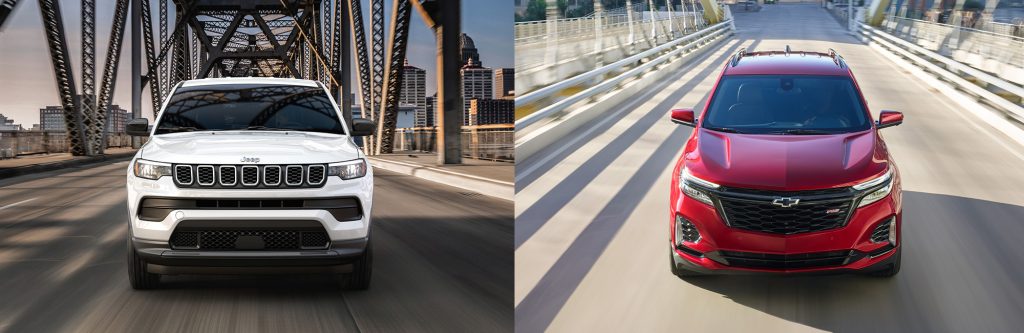
If you’ve decided to drive a compact SUV that’s ready for the roads, terrains, and any detours that lie ahead, the Jeep Compass vs. Chevy Equinox are solid contenders. But while the Chevy Equinox sticks to what’s familiar, the Jeep Compass dares to go further. At Crossroads Chrysler Dodge Jeep Ram of Henderson, we’ve put together a comparison blog between the sturdy Jeep Compass vs. the efficient Chevy Equinox. Read further to see how these small SUVs pack a punch! Afterwards, decide on your next ride by visiting our Jeep dealership in Henderson, NC, for a test drive.

A Powerful & Efficient Matchup
If you’re craving more excitement behind the wheel, the Jeep Compass is ready to deliver. With its powerful 2.0L turbocharged engine putting out a powerful 200 horsepower and 221 lb.-ft. of torque, the Jeep Compass offers responsive, confident acceleration that makes every drive more dynamic, whether you’re commuting or escaping the city for some fun. Meanwhile, the Chevy Equinox comes with a 1.5L Turbo engine that generates 175 horsepower and 203 lb.-ft. of torque. It’s a solid daily driver, but if you’re after that extra boost of energy and capability, the Jeep Compass is clearly in the lead. In the performance battle of Jeep Compass vs. Chevy Equinox, efficiency is further tested for all your traveling needs. The Jeep Compass offers an EPA-estimated 24 MPG in the city and an impressive 32 MPG on the highway, helping you spend more time on the road and less time at the pump.
The Chevy Equinox also holds its own, with EPA-estimated 24 MPG in the city and 29 MPG on the highway. When it comes to fuel economy in the Jeep Compass vs. Chevy Equinox debate, every mile counts, even by the most minuscule amount. That said, the Jeep Compass edges ahead with its superior highway efficiency, which is perfect for weekend road trips and highway cruising.
Off-Road Capability
Unlike the road-ready Chevy Equinox, the Jeep Compass is versatile, engineered to handle more than just city streets. With standard 4×4 capability across all trims, it features the Selec-Terrain® Traction Management System, allowing drivers to tailor performance to various conditions such as Snow, Sand/Mud, and Rock modes. The Jeep Compass Trailhawk® model takes it further with the Jeep Active Drive Low 4×4 system, offering a class-leading 20:1 crawl ratio, enhanced ground clearance, skid plates, and the ability to ford up to 19 in. of water. These features ensure the Jeep Compass is ready for any adventure, whether it’s navigating rocky trails or tackling steep inclines.
When comparing Jeep Compass vs. Chevy Equinox off-road abilities, the former easily claims the crown for drivers who want more from their SUV. In terms of Jeep Compass vs. Chevy Equinox reliability and confidence behind the wheel, both models are built to last, but the former backs up its rugged reputation with enhanced capability features that inspire confidence on and off the pavement.
Interior Features
Step into modern comfort with the Jeep Compass. Featuring an available vibrant 10.1-in. Uconnect® 5 touchscreen, wireless Apple CarPlay® and Android Auto™, an available nine-speaker Alpine® Premium Audio System, and available wireless charging, the Jeep Compass is built to elevate every moment behind the wheel. The Chevy Equinox also brings useful tech to the table with its 11.3-in. Google-powered infotainment system and a clean, intuitive layout. But bigger doesn’t always mean better. With a more immersive screen and premium upgrades, the Jeep Compass clearly turns up the volume on everyday driving. When considering Jeep Compass vs. Chevy Equinox size and interior flexibility, there’s a clear difference in the numbers. Even though the Jeep Compass falls short at 59.8 cu.ft. of maximum cargo space versus the Chevy Equinox’s 63.5 cu.ft., the former offers a more maneuverable build that’s ideal for tight city streets and rugged trails, while still providing ample cargo and passenger space.
The Final Word: Why Jeep Compass Comes Out on Top
At the end of the day, the Jeep Compass is the SUV that delivers more where it counts. It’s more powerful, more feature-packed, and more capable and ready for everything from urban commutes to off-the-map adventures. While the Chevy Equinox offers a comfortable and reliable ride, it simply can’t match the bold versatility and elevated experience that comes standard with the Jeep Compass. For shoppers torn between Jeep Compass vs. Chevy Equinox, the better all-around SUV is clear.
If you’re still deciding between the two, it’s time to see why the Jeep Compass is built to lead, not follow. Visit Crossroads CDJR of Henderson to drive yours today and see firsthand who wins in the Jeep Compass vs. Chevy Equinox match-up.

Jeep Grand Cherokee vs. Chevy Traverse: A Superior Choice For Adventure And Performance
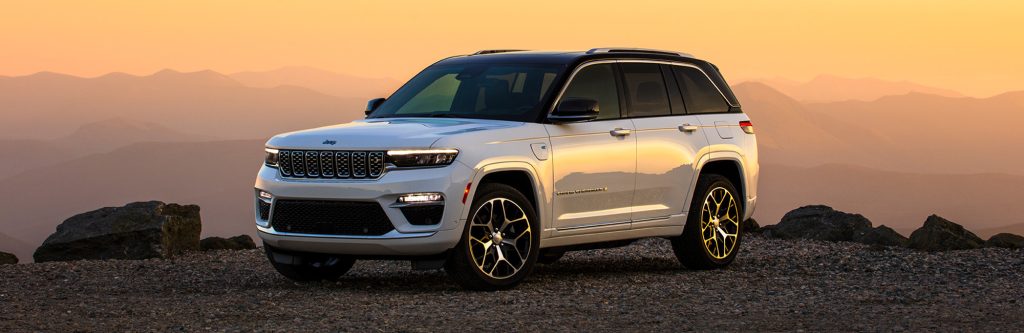
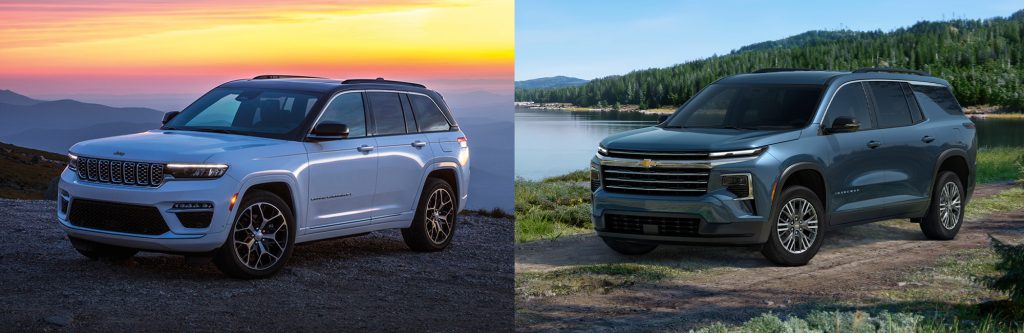
When comparing the Chevrolet Traverse to the Jeep Grand Cherokee, it’s clear that the fullsize Jeep SUV stands out in several key areas, offering superior performance, off-road capability, and advanced technology. This Jeep Grand Cherokee vs. Chevy Traverse comparison from Crossroads Chrysler Dodge Jeep Ram of Henderson highlights just how much more the Jeep delivers for drivers seeking adventure, strength, and refinement. Be prepared to start your next adventure by test-driving one from our dealership today!
Styled For Power & Performance
The Jeep Grand Cherokee vs. Chevy Traverse comparison starts with style and capability. The Jeep Grand Cherokee boasts a bold and rugged exterior design, featuring the iconic seven-slot grille and a stance that exudes confidence. Its design is tailored for off-road adventures, ensuring durability and functionality. In contrast, the Chevy Traverse presents a more traditional SUV look, focusing on urban aesthetics rather than off-road prowess.
The Jeep Grand Cherokee offers impressive performance with a towing capacity of up to 6,200 lbs. when properly equipped, surpassing the Chevy Traverse’s maximum towing capacity of 5,000 lbs. The Jeep Grand Cherokee’s advanced four-wheel-drive system, including available Selec-Terrain® traction management and a two-speed transfer case, provides exceptional off-road capability. While the Chevy Traverse offers a fuel-efficient engine, the Jeep Grand Cherokee’s performance-oriented features make it a more versatile choice for various driving conditions—another win in the Jeep Grand Cherokee vs. Chevy Traverse showdown.
Fuel Economy
In the realm of efficiency, the Jeep Grand Cherokee vs. Chevy Traverse debate continues. The Jeep Grand Cherokee achieves an estimated EPA rating of up to 22 MPG combined, with a larger fuel tank capacity of 23 gallons, allowing for an extended driving range of up to 506 miles on a single tank. This is particularly advantageous for long-distance travel and off-road excursions. In comparison, the Chevy Traverse’s estimated EPA rating of up to 21 MPG combined and smaller fuel tank capacity result in a shorter driving range of up to 456 miles, making the Jeep Grand Cherokee a more practical option for extended journeys.
Warranty & Maintenance
Both vehicles offer a 5-year/60,000-mile powertrain warranty and a 3-year/36,000-mile basic warranty. However, the Jeep Grand Cherokee provides a more comprehensive maintenance scheduling system, in the form of the Jeep Wave® program.* Unlike Chevy’s pre-paid maintenance plans for select models, your new Jeep is automatically qualified for Jeep Wave®. This proactive approach to maintenance adds to the Jeep Grand Cherokee’s appeal for long-term ownership and includes benefits such as:
- Worry-Free Maintenance at No Additional Cost: Owners receive complimentary oil changes and tire rotations during the first 24 months of ownership, performed by specially trained Jeep technicians at participating dealerships.
- Confidence with Vehicle Protection: The program offers same-day vehicle rental for routine maintenance, trip interruption coverage up to $1,000 per occurrence, and 24/7 roadside assistance throughout the 5-Year/60,000-mile Powertrain Limited Warranty period.
- Dedicated Owner Support: Members have access to personalized assistance through the Jeep Wave® hotline at 844-JEEP-WAVE or via live chat on their account page.
- VIP Treatment: Jeep Wave® members receive preferred treatment at Jeep Brand events nationwide and access to exclusive events.
Programs like Jeep Wave® give the Jeep Grand Cherokee an edge in long-term ownership satisfaction in the Jeep Grand Cherokee vs. Chevy Traverse comparison.
Interior Space & Comfort
The Chevy Traverse offers a spacious interior with a total passenger seating up to eight, and maximum cargo volume of 98 cu.ft., but it’s not always about the numbers, it’s about the experience. Your seven passengers will enjoy a more luxurious and comfortable cabin experience within the Jeep Grand Cherokee’s 84.6 cu.ft. of volume. With features like a heated steering wheel, leather upholstery, and ample legroom, the Jeep Grand Cherokee ensures a premium driving experience.
When it comes to the Jeep Grand Cherokee L vs. Chevy Traverse cargo space, it’s true that Chevy offers more room for gear and luggage, but the Jeep Grand Cherokee offers a more ambient experience during travel—yet another strong point in favor of the Jeep Grand Cherokee in the Jeep Grand Cherokee vs. Chevy Traverse discussion.
Tech-Savvy & Safe
The Jeep Grand Cherokee vs. Chevy Traverse comparison wouldn’t be complete without looking at technology. The Jeep Grand Cherokee has a comprehensive 10.1-in. Uconnect® 5 touchscreen system equipped, offering features like Apple CarPlay®, Android Auto™, and available Amazon Fire TV for rear-seat entertainment. The system supports multiple user profiles and provides a customizable home screen, ensuring a personalized and connected driving experience. In comparison, the Chevy Traverse’s 17.7-in. touchscreen system, while functional and compatible with Google built-in, offers fewer features and a less advanced interface.
The Jeep Grand Cherokee is equipped with numerous advanced safety features, such as adaptive cruise control and blind-spot monitoring. Its comprehensive safety suite provides peace of mind for drivers and passengers alike with over 110 systems actively working to keep you and your passengers safe—the most available safety and security features in class. Some of the key features of the Chevy Traverse include forward collision alert and lane departure warning, while the Jeep Grand Cherokee’s additional safety technologies enhance its appeal for those prioritizing safety—and strengthen its case in the Jeep Grand Cherokee vs. Chevy Traverse match-up.
Make Your SUV Selection Today
While the Chevy Traverse offers a spacious interior and a smooth ride, the Jeep Grand Cherokee excels in performance, off-road capability, and advanced technology. Its superior towing capacity, rugged design, and luxurious interior make it a more compelling choice for those seeking adventure and versatility in their SUV. For shoppers weighing the Jeep Grand Cherokee vs. Chevy Traverse, the Jeep consistently comes out ahead in value, capability, and long-term benefits. Visit Crossroads CDJR of Henderson to test-drive your next SUV today and experience the difference in the Jeep Grand Cherokee vs. Chevy Traverse firsthand.
*For vehicles purchased on or after August 1, 2024, the program includes a 2-year membership with two complimentary oil changes and two tire rotations. Grand Wagoneer owners receive a 3-year package with three oil changes and three tire rotations.For more information or to register, visit https://www.jeep.com/jeep-wave.html.

Mastering Jeep Parking Assist: Your Guide to Hassle-Free Parking
Parking can be one of the most stressful parts of driving, but Jeep’s advanced parking assist technology makes it easier than ever. Whether you’re navigating a crowded city street or backing into a tight spot at the grocery store, Jeep’s Park Assist features are designed to take the guesswork out of parking. In this guide, we’ll take a deep dive into Jeep Park Assist and how it can enhance your driving experience. Head to Crossroads Chrysler Dodge Jeep Ram of Henderson for more information and take a closer look at our SUVs with Park Assist!
What Is Park Assist?
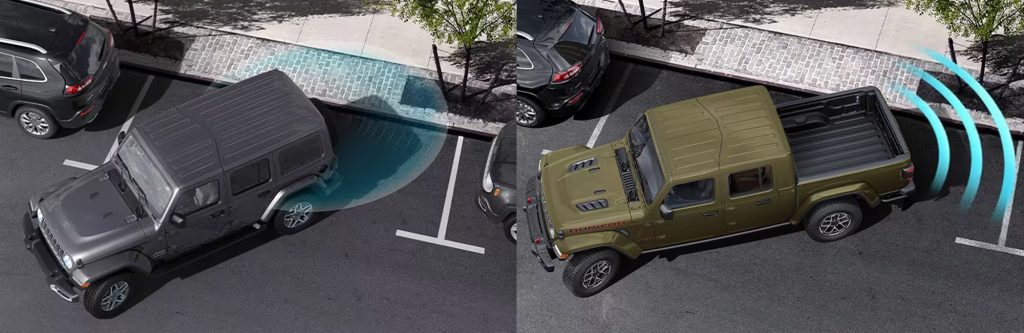
Jeep Park Assist is a driver-assist feature that helps you park and back out of spaces with confidence. It is designed to make parking easier, safer, and more convenient, using a combination of sensors and cameras to detect parking spaces and assist with maneuvering your vehicle. Jeep Park Assist is available on select models, including the Jeep Grand Cherokee Summit, allowing drivers to experience cutting-edge parking capabilities.
Jeep Grand Cherokee Summit Parallel and Perpendicular Park Assist
Standard on the Jeep Grand Cherokee Summit model, the Parallel and Perpendicular Park Assist System takes the stress out of parking by recognizing open spaces and automatically steering the vehicle into place. While the system controls the steering, it provides clear prompts instructing the driver to shift gears and operate the brakes and accelerator, ensuring a seamless parking experience.
ParkSense® Rear Park Assist System
The ParkSense® Rear Park Assist System utilizes sensors to alert you if you’re too close to an obstacle while reversing. This helps prevent accidental collisions and gives you better control over your parking maneuvers.
ParkView® Rear Back Up Camera
The ParkView® Rear Back Up Camera clearly displays the area behind your Jeep on the Uconnect® touchscreen. The camera includes dynamic gridlines that adjust as you turn the steering wheel, making it easier to align your vehicle with the parking space.
How to Use Park Assist
Using Jeep self-parking technology is simple and intuitive.
- Activate Park Assist: Locate and press the Active Park Assist button (often near the gear shifter or infotainment system).
- Select Parking Mode: Choose between parallel or perpendicular parking.
- Drive Slowly Past Spaces: The system will scan for a suitable spot.
- Use the Turn Signal: Indicate whether you’re looking for a space on the driver or passenger side. If you don’t signal, the system defaults to searching on the passenger side.
- Let Park Assist Guide You: Once a spot is detected, the system provides on-screen prompts and steering input while you control the accelerator and brake.
Parking Space Detection and Perpendicular Parking
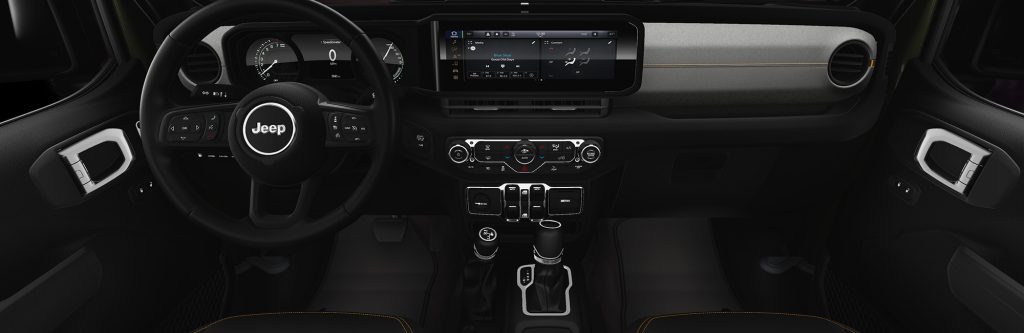
Jeep’s Park Assist system can automatically detect open spaces and guide your vehicle into position. The system helps align your Jeep at the right angle for perpendicular parking, using backup camera guidelines and proximity warnings to ensure a smooth and safe maneuver.
Tips for Using Jeep Park Assist Effectively
- Always use your turn signal when searching for a parking space.
- Drive slowly past potential spots to give the system enough time to detect available parking.
- Stay in control: While Park Assist helps steer, you must control acceleration and braking.
- Remain aware of your surroundings: Always check for pedestrians, obstacles, or other vehicles.
- Practice makes perfect: Familiarize yourself with Park Assist in different parking scenarios to gain confidence.
Troubleshooting Park Assist
If you encounter issues with Jeep Park Assist, try the following:
- Check the system settings to ensure Park Assist is enabled.
- Confirm that the vehicle is in the correct gear and that the parking brake isn’t engaged.
- Look for obstacles that might interfere with sensors or cameras.
- Consult the owner’s manual or contact a Jeep dealership for assistance if problems persist.
Jeep Grand Cherokee Park Assist Features
The Jeep Grand Cherokee Summit is one of the SUVs with Park Assist that offers top-tier technology. Key features include:
- Active Park Assist: Provides semi-autonomous parking assistance for parallel and perpendicular parking.
- ParkSense® Sensors: Detect nearby objects and alert the driver with visual and audible warnings.
- Advanced Driver-Assistance Features: Additional safety technologies such as Forward Collision Warning and Blind-Spot Monitoring enhance the driving experience.
Safer Parking Awaits
Jeep’s Park Assist technology makes parking safer, easier, and more convenient. By mastering these features, you can reduce stress and park with precision every time. Whether you’re using the Active Park Assist button to self-park or relying on ParkSense® sensors for guidance, Jeep has made maneuvering into tight spaces a breeze. Always remain attentive when parking and use Park Assist as a tool to complement your driving skills. If you ever need further assistance, your Jeep owner’s manual or a dealership can provide additional guidance. With Jeep’s cutting-edge technology, hassle-free parking is just a button press away! Wondering: where is the Active Park Button on the Jeep? Head to Crossroads CDJR of Henderson, and we’ll show you where it’s located during your test drive!

The Features & Functions Of Jeep Rearview Mirrors
Jeep’s rearview mirrors are all about giving you the clearest, most reliable view to keep you safe and confident on every drive. Alongside the traditional rearview mirror, Jeep has taken it up a notch with the introduction of digital rearview mirrors. These sleek, high-definition displays provide an enhanced view of what’s behind you, even in tough conditions like heavy rain or when your vehicle is packed to the brim. Whether you’re navigating city streets or heading off the beaten path, Jeep’s rearview mirrors are designed to give you the visibility you need for a smooth, worry-free ride. Experience them today with a test drive from Crossroads Chrysler Dodge Jeep Ram of Henderson!
What Does the Power Button on My Mirror Do?
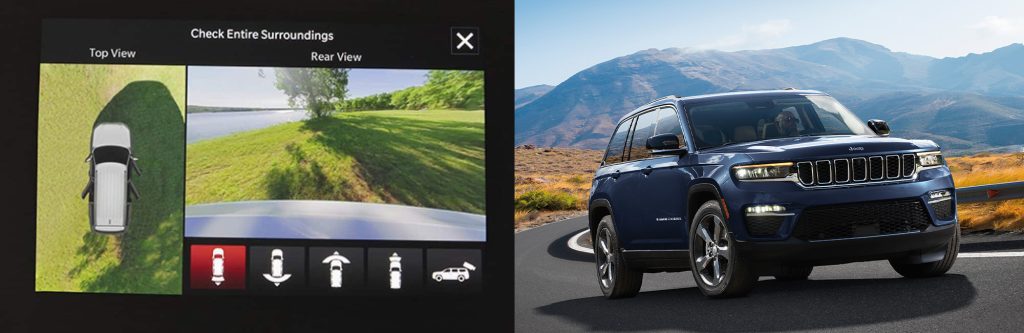
The power button on a Jeep rearview mirror serves several important functions, depending on the model and features equipped. Primarily, it controls the auto-dimming feature of the mirror, helping reduce glare from headlights behind you at night for a clearer, more comfortable view. In addition, if your Jeep is equipped with a digital rearview mirror or SmartBeam system, the power button can also help reset or adjust the system. For example, a flashing power button could indicate a fault or the need for calibration of the SmartBeam camera. It’s a simple and vital button that enhances your driving experience by improving visibility and safety on the road.
Let’s delve more into how the Jeep rearview mirror works when the power button is turned on. The auto-dimming function activates with a green light indicator to ensure a clear, glare-free view at night. While this feature isn’t enabled by default, you can easily turn it on through the Uconnect® settings, as detailed in your owner’s manual. In addition, the mirror includes SOS buttons as part of the Uconnect® system, with a green LED that blinks when pressed for emergency assistance. The mirror’s built-in light sensor automatically adjusts the dimming feature based on ambient light, providing optimal visibility when you need it most.
Using the Rearview Features to Your Benefit
We’ll provide you with examples to demonstrate more uses that the Jeep rearview mirror has on select models. In addition to the Jeep Grand Cherokee’s rearview mirror power button, a designated button activates the camera at the rear of your vehicle and a sleek LCD monitor integrated into the mirror to ensure that you never miss a thing. This is perfect for when your rear window is obscured by cargo or extra passengers. You can simply switch to real-time video for a clear view, and then easily return to the traditional mirror when you’re ready. The same thing can be experienced when you toggle the smaller Jeep Compass’s rearview mirror power button. They’re designed to enhance safety and convenience, offering peace of mind by providing a clearer and more reliable view, especially in challenging conditions like heavy traffic or bad weather. With its sleek design and intuitive controls, the Jeep rearview mirror ensures that every drive lets you focus on the road ahead with complete confidence.

Troubleshooting and Maintenance Owners Manual
If you notice the power button on your Jeep’s rearview mirror flashing, it could signal a fault detected by the SmartBeam system. There are multiple issues that could be indicated by a flashing light—consult your owner’s manual for details.
To test the auto-dimming feature, simply turn on the interior lights at night and see if the mirror dims; if it does, press the button to clear your view. If the auto-dimming isn’t working as expected, consult your owner’s manual for troubleshooting tips, visit online forums to view the most updated threads, or simply contact the Jeep dealers in Henderson, NC, for advice. Utilizing these outlets will also give you more details about the SmartBeam system
Watching Your Back
Jeep’s rearview mirrors are all about providing drivers with the clarity and confidence they need for a safer driving experience. With the added advantage of digital rearview mirrors, you get an upgraded, high-definition view that ensures visibility in all conditions, giving you peace of mind whether you’re navigating busy roads or taking on rugged terrain. Jeep continues to innovate with features that enhance your journey, making every drive an easier, safer, and more enjoyable. Visit Crossroads CDJR of Henderson to experience Jeep’s rearview mirrors today!

Exploring Jeep Active Driving Assist: The Future Of Hands-Free Driving
Discover a whole new level of driving confidence with Jeep’s Active Driving Assist, an advanced feature designed to elevate every journey. By seamlessly blending cutting-edge technology with robust driver assistance systems, it makes navigating highways and off-road paths feel effortless. Whether you’re commuting to work or traveling across the country, Jeep’s Active Driving Assist offers unmatched comfort, convenience, and safety. It’s perfect for drivers who seek more than just transportation, as this system delivers peace of mind on every adventure, ensuring that your trips are smoother and smarter. Test-drive one of our Jeep models from Crossroads Chrysler Dodge Jeep Ram of Henderson today!

What Is Active Driving Assist?
Active Driving Assist is a semi-autonomous system that brings enhanced safety and convenience to your driving experience. Using an intelligent combination of sensors, cameras, and state-of-the-art processing technology, the Jeep Active Driving Assist system maintains vehicle positioning within lanes, offers distance keeping from other vehicles, and monitors driver attentiveness to promote a more relaxed driving experience. Available on select models, including the Jeep Grand Cherokee, Jeep Compass, and Jeep Wagoneer, this feature offers Jeep hands-free driving capabilities on highways, making long trips much more relaxed.
Adaptive Cruise Control is a key component of the system that works with Lane Centering Assistance to maintain speed and distance from other vehicles, enhancing safety and convenience during highway driving. It also utilizes your Jeep’s Active Lane Management system to help maintain your vehicle’s lane position, while monitoring the steering wheel to ensure driver engagement.
You can choose between the Jeep Active Driving Assist and Hands-Free Active Driving Assist, with the latter being more suited for frequent highway drivers as it eliminates the ability to use ADA on non-highway roads. This hands-free active driving system includes features such as lane centering and driver monitoring systems to ensure the driver remains attentive while using this technology on compatible roadways. You can easily change lanes by simply using the turn signal. On top of all that, enhanced safety features like automatic emergency braking and lane departure warnings ensure that you and your passengers stay protected every mile of the way.
How Does Hands-Free Driving Work?
Jeep Active Driving Assist is powered by an advanced network of radar sensors, cameras, and GPS data to monitor the road ahead, making it particularly effective for highway driving. By automatically adjusting your vehicle’s speed and steering, it ensures a safe distance from other vehicles while keeping you centered within your lane. The system is finely tuned to detect lane markings and make precise adjustments for a smoother ride. The implications of the hands-free feature are significant, as it raises driver expectations for safe, hands-free operation and necessitates technological upgrades for effective functionality. Engaging Jeep Active Driving Assist is simple—just activate the system on compatible highways and you’ve now got a self-driving Jeep.
You can personalize the experience by adjusting the system’s settings to match your preferences, too. If Jeep Active Driving Assist detects any potential issues or requires your intervention, it’ll alert you immediately. The system is designed to reduce fatigue and stress, making long highway drives easier and more enjoyable, but you must remember to be alert at all times.

Safety Features & Limitations
While Jeep’s Active Driving Assist is a remarkable tool for enhancing safety, it’s optimized for highways with clear lane markings and minimal disruptions like construction. It also helps you avoid accidents by continuously monitoring and responding to potential hazards. However, skepticism about the reliability of existing systems hints at the potential integration of features that would require constant monitoring and maintenance, as well as a subscription model for use. Jeep Active Driving Assist is not meant for use in heavy traffic or construction zones, ensuring that the system can perform at its best when road conditions are ideal.
Currently, Jeep Active Driving Assist requires a paid subscription and is available on select Jeep models. Plans are to extend its availability across a broader range of models and trim levels. Jeep is also working diligently to enhance the system’s functionality, and future updates may expand its use to more complex driving scenarios, including city streets and construction zones.
Drive Hands Free Today
Jeep’s Active Driving Assist is a game changer for road safety and convenience. Equipped with powerful sensors and cameras, it reduces the risk of accidents and helps fight driver fatigue on compatible roads, making every drive more enjoyable. As Jeep Active Driving Assist technology continues to evolve, there’s no doubt that it’ll offer even more sophisticated features, ensuring a future of safer, more effortless driving experiences. Visit Crossroads CDJR of Henderson to experience the future of hands-free driving technology today!

The Ultimate Guide To Uconnect® Jeep Bluetooth Setup & Features
If you’re on the go and you need something to help you stay connected during every drive you take with your Jeep, the Uconnect® Jeep Bluetooth system was designed for you! Uconnect® provides a customizable, user-friendly interface that enhances your driving experience with hands-free calling, music streaming, turn-by-turn navigation, and more. Access services such as Assistance and Connected Navigation on the owner’s site, and explore new ways to stay in touch with your Jeep. Visit Crossroads Chrysler Dodge Jeep Ram of Henderson to find out what Uconnect® Jeep Bluetooth technology can do for you!
What Is Uconnect®?
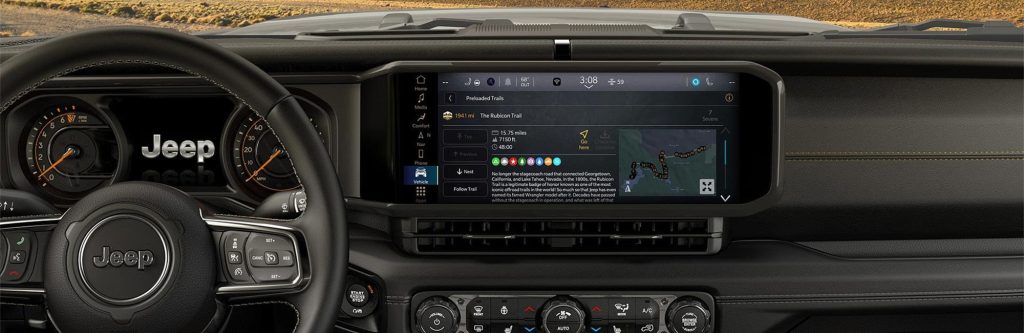
Uconnect® is a connectivity and infotainment system found in many Jeep vehicles. It allows you to connect your smartphone and other devices to the vehicle via Bluetooth, providing access to features like navigation, hands-free calling, music streaming, and voice recognition. Uconnect® Jeep Bluetooth also includes safety features such as emergency assistance, vehicle health reports, and remote vehicle management through the Uconnect® app. It’s designed to enhance your driving experience by offering convenience, entertainment, and safety features all in one system. Read more to discover how to seamlessly set up Uconnect® Jeep Bluetooth in your next ride.
Setting Up Uconnect® Jeep Bluetooth
Getting your Jeep set up with Uconnect® Bluetooth is a breeze. You’ll start by verifying compatibility with your Jeep model and gathering the necessary details for a smooth setup. Then, download the Uconnect® app from the Apple App Store or Google Play Store, and either register for a new account or log in if you’re a returning user. After ensuring your password is secure, enable Bluetooth on your smartphone and turn on your Jeep. Once you’re ready to pair, navigate to the Bluetooth menu on your Uconnect® system and follow the on-screen instructions for information on how to connect the Uconnect® App to your Jeep.
With these simple steps, you’ll be hands-free and ready to enjoy all the features Uconnect® offers!
Tailoring Your Experience
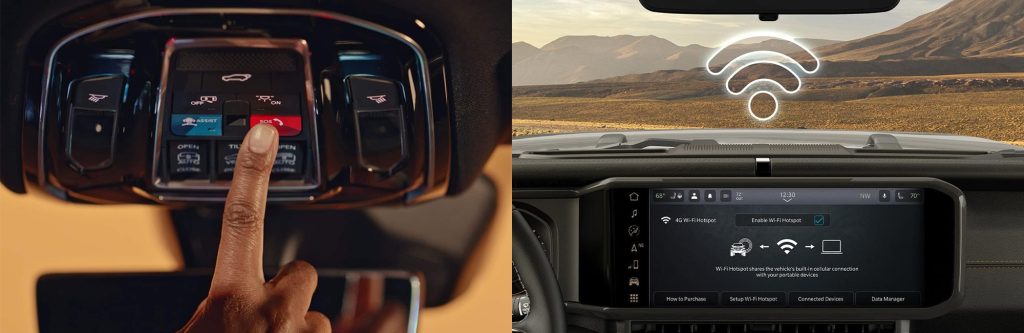
Personalize your Uconnect® experience with tailored settings and enjoy seamless connectivity with safety and security features at your fingertips. Jeep Connect offers additional convenience, allowing you to explore everything from navigation to personalized notifications while on the go.
Should you encounter any issues, Uconnect® Care is a customer support service that you can contact and find helpful resources like the Quick Pairing Guide and Phone Pairing Performance Tips online.
Finally, when it comes to pricing, choose the Jeep Connect plan that fits your needs, whether it’s for Assistance, Navigation, or other premium services. Manage everything from the owner’s site, and unlock services like SiriusXM® and Map Updates with flexible plans that keep you connected no matter where the road takes you.
Can I Track My Jeep With Uconnect®?
Achieve peace of mind knowing that you have the ability to know your Jeep’s whereabouts at all times. To track your Jeep using Uconnect®, start by ensuring your vehicle is equipped with Uconnect® and that you’ve set up the Uconnect® app on your smartphone. Open the Uconnect® app and log into your account, linking it to your Jeep. Once connected, navigate to the “Vehicle” section in the app where you’ll find options for tracking your vehicle’s location. Use the “Locate My Vehicle” feature, which will display your Jeep’s current location on a map. You can also set up geofencing alerts to be notified if your vehicle enters or exits a specific area. This Uconnect® Jeep Bluetooth feature provides peace of mind, allowing you to track your Jeep in real-time and stay updated on its whereabouts.
Answer the Call to Adventure
Thanks to the features present in the Uconnect® Jeep Bluetooth system, all of your future drives are optimized for your driving pleasure. Experience it for yourself by visiting Crossroads CDJR of Henderson for a test drive today!
Connect with us
